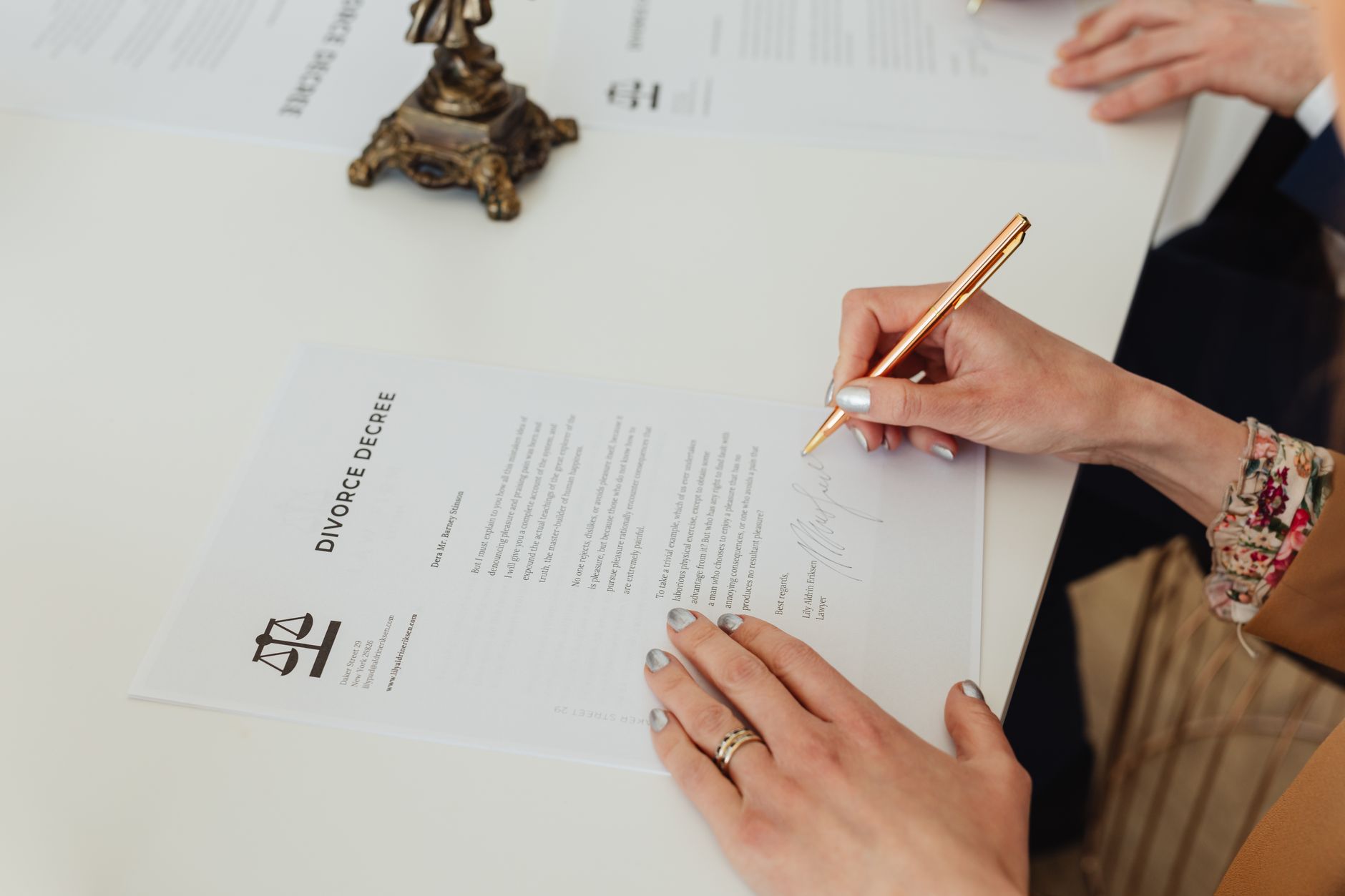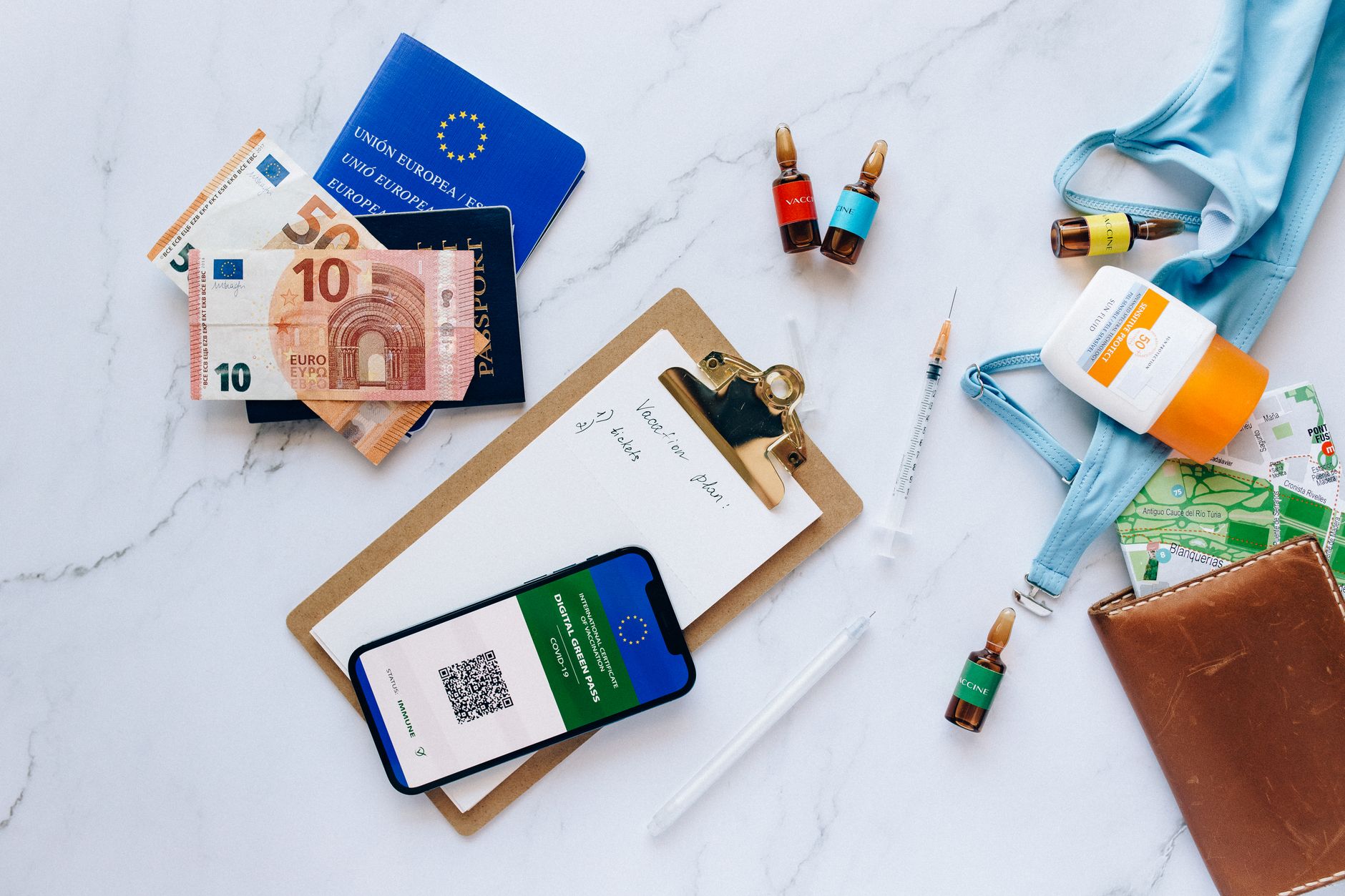
Germany sends us more couples than anywhere except the UK, and the German document route is the slowest of the six covered on this site. It is worth understanding why before you set a date.
The Ehefähigkeitszeugnis
Your Standesamt issues a certificate confirming you are free to marry. For two German-born citizens with no previous marriages, that is usually a few weeks.
For everybody else, there is a fork in the road that almost nobody is warned about: the Standesamt may refer the file to the Oberlandesgericht for a decision.
When the referral happens
Broadly, whenever the file has a foreign element:
- One partner was born outside Germany
- One partner holds a second nationality
- A previous marriage was concluded or dissolved abroad
- Documents come from a country whose civil registry the Standesamt cannot verify directly
For German-Turkish couples this comes up constantly, because at least one of those is almost always true.
What the referral costs
Weeks, and an unpredictable number of them. Four is common, eight is not unusual, and it is not something you can accelerate.
This is the single most frequent cause of a moved wedding date among our German couples. Not weather, not venues, not flights — a court file.
The practical rule
Start twelve weeks out, not six. And at the Standesamt appointment, ask directly: *wird meine Akte an das Oberlandesgericht weitergeleitet?* If the answer is anything other than a clear no, add six weeks to your plan on the spot.
The full document list
- Ehefähigkeitszeugnis, apostilled, valid six months.
- Geburtsurkunde. Ask for the *internationale* multilingual form, which saves a sworn translation.
- Passport plus a copy of the data page.
- Erweiterte Meldebescheinigung, issued within the last six months. Get this last, it has the shortest validity.
- Four biometric photographs each.
- Health report, obtained in Türkiye. We book it.
- Sworn Turkish translations of anything not already multilingual.
- Rechtskräftiges Scheidungsurteil if either of you was married before, apostilled.
The Germany guide page carries this with notes, and the apostille piece explains which documents have a multilingual version worth asking for.
The alternative most couples take
Standesamt at home, Tuesday morning, two witnesses. Then the ceremony here with a celebrant and no documents at all.
Seven in ten of our couples across all nationalities do this. For Germans specifically the case is even stronger, because the route being skipped is the longest one. The comparison is here.
What changes for German-Turkish couples
Quite a lot, and mostly in your favour.
If one of you is a Turkish citizen, the registry side in Türkiye becomes considerably simpler, and the marriage goes on record in Türkiye without an extra step. That matters later for property, inheritance and residency questions.
For German-Turkish couples, the legal route in Türkiye is often the right answer even though it is slower. Tell us at the first call. It changes the advice.
The shape of a German-Turkish weekend
The pattern is consistent enough that we build around it: kına gecesi on the Friday, ceremony and reception on the Saturday, brunch on the Sunday before the airport runs.
Antalya and Belek is where almost all of it happens, because direct flights from more than a dozen German cities land there and the resorts hold a hundred and fifty guests in one building. Belek Garden Resort is the one we use most.
Half your guest list will know exactly what a henna night is and half will never have seen one. We brief the second half in German before it starts, which turns a spectacle into something everybody is part of. What actually happens at a kına gecesi.
How much room your date leaves
If your date is more than four months away, you have room for either route. If it is closer, tell us and we will say honestly which one still fits.