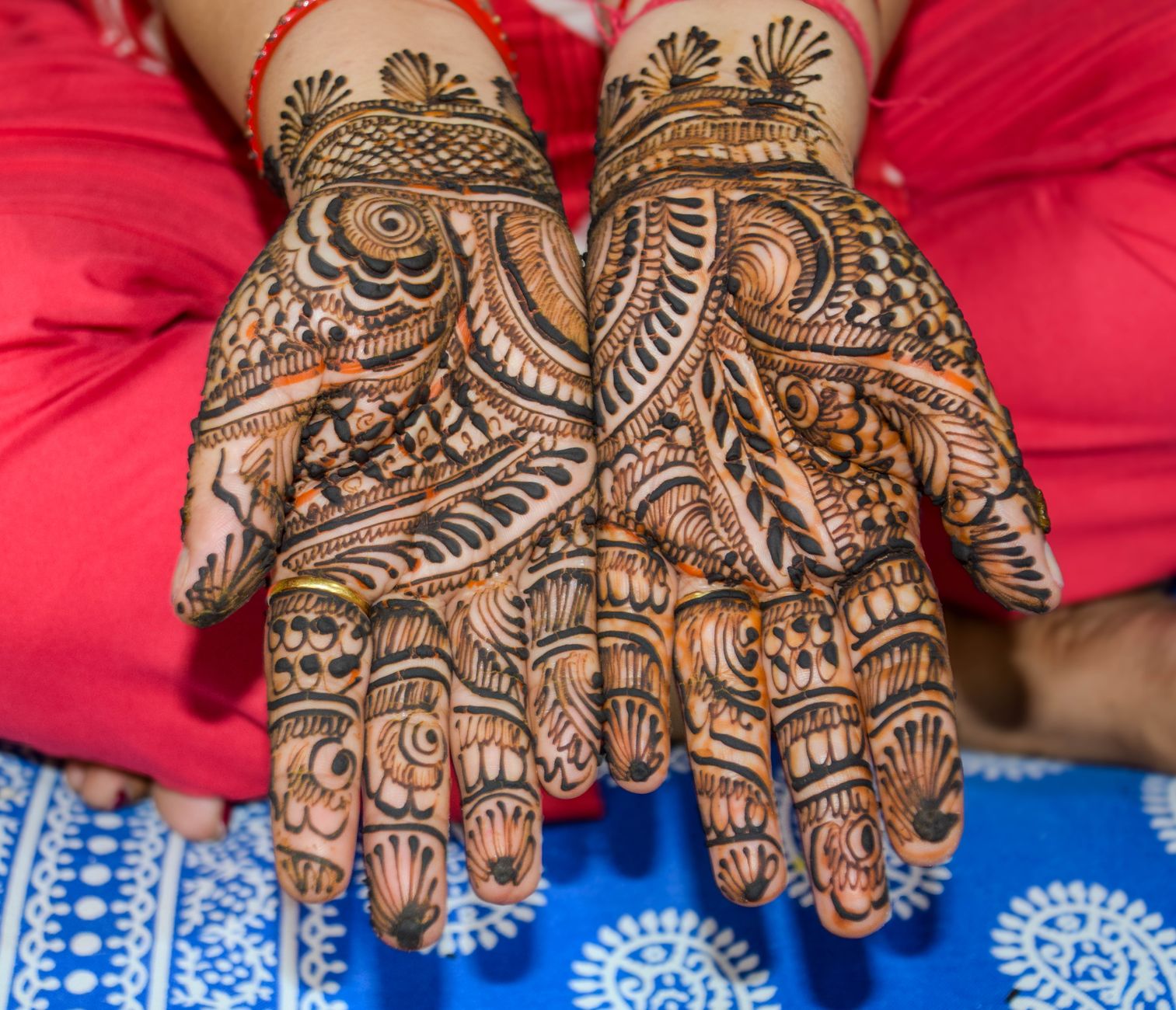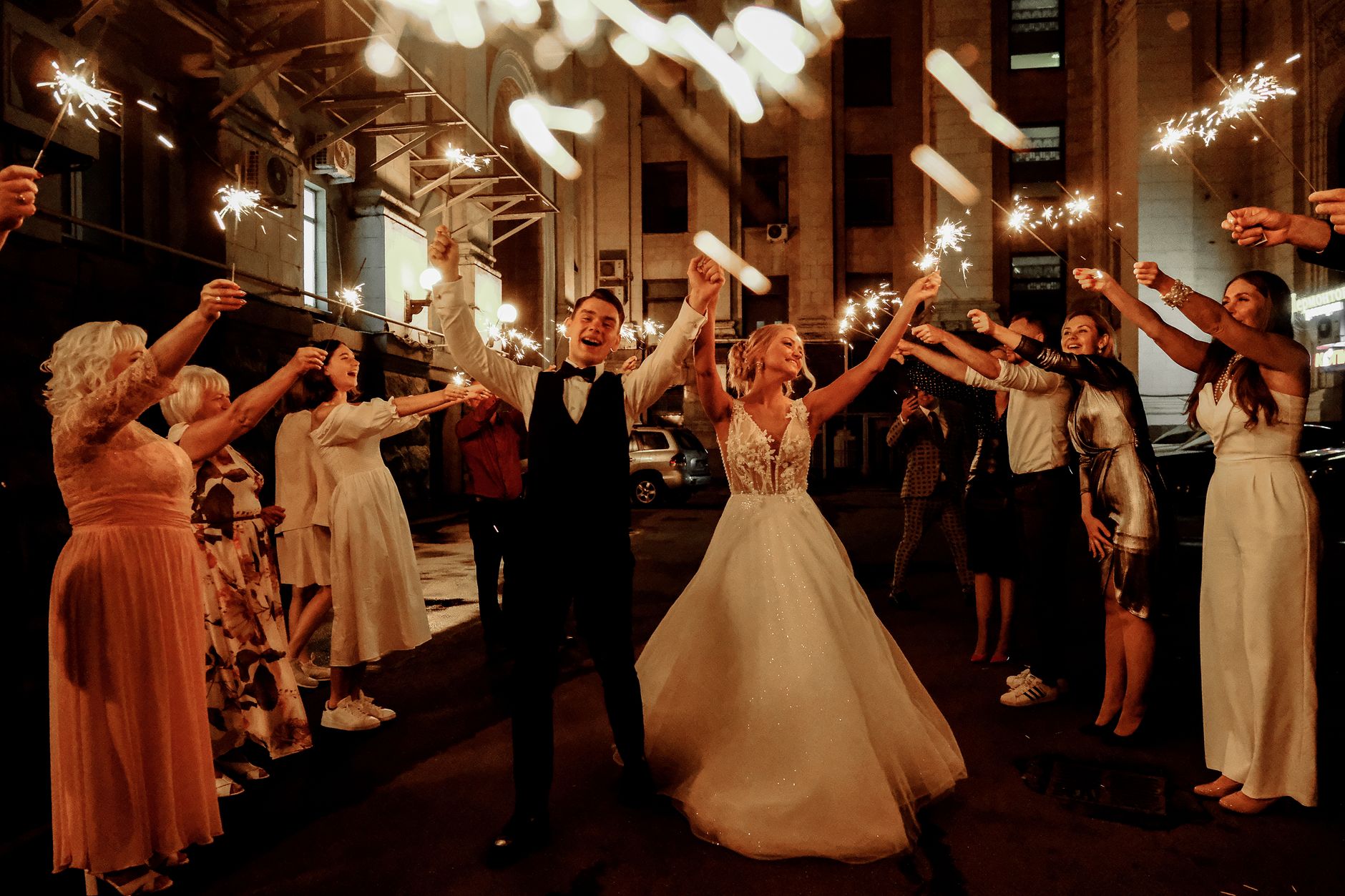
Couples with no Turkish connection often want a wedding that feels like it happened *here* rather than in a place that happens to have good weather. These are the customs that travel.
The takı: pinning gold
The best one, and the easiest to adopt.
After the ceremony, guests queue to pin gold coins or jewellery to a ribbon worn across the couple's chests, or to attach banknotes. Each guest says something as they do it. It takes half an hour and it is filmed constantly.
Why it works for anyone: it replaces the receiving line with something that has a purpose and a rhythm, and it produces better photographs than a queue of handshakes.
How to adapt it: the gold is optional. Some couples use ribbons, some use envelopes, some use a note written and pinned. The mechanism (every guest, one at a time, saying one thing) is the part worth keeping.
The halay
A group dance in a line or circle, little fingers linked, led by someone waving a handkerchief. Simple steps, endlessly repeated, and it absorbs people who do not dance.
Why it works: it is the most inclusive thing at a Turkish wedding. Grandparents and eight-year-olds are in the same line.
How to include it: book musicians who can play it and let one confident person lead. Guests join within a verse. Nobody needs a lesson.
Davul and zurna
A drum and a shrill double-reed pipe, played loudly, usually to announce an arrival or start the dancing.
Why it works: it is unmistakably of the place and it carries. Two musicians walking the couple from the ceremony to the reception does more than a string quartet.
A warning: it is genuinely loud. Brief older guests, and do not put it inside a stone courtyard without asking first.
The flag on the roof
The groom's family raises a flag at the house, decorated with fruit and a mirror. Largely rural, and it does not adapt well to a hotel.
Skip this one. It is beautiful in context and it does not travel.
Names on the bride's shoe
The bride writes the names of her unmarried friends on the sole of her shoe. Whichever name has worn away by the end of the night is the next to marry.
Why it works: it costs nothing, it is a photograph during preparations, and it gives the bridal party something to argue about at breakfast.
The bride's mother's advice
Not a ceremony as such — a moment. Before the bride leaves for the venue, her mother or father ties a red ribbon around her waist. Traditionally a symbol of virginity; in modern practice, of protection and family blessing.
How to adapt it: most couples keep the gesture and let the meaning move. A parent, a ribbon, a private thirty seconds before the day starts. It is one of the few moments of a wedding day that belongs only to the family.
Bitter coffee for the groom
At the formal request for the bride's hand, the bride serves coffee, and puts salt in the groom's rather than sugar. He must drink it without reacting, to demonstrate patience.
Why it works: it is funny, it is short, and it goes on video. Couples increasingly stage it at the welcome dinner rather than the engagement.
How to include these without it looking staged
Two rules.
Pick two, not six. A wedding with every tradition in it reads as a tour rather than a celebration.
Explain them. Ninety seconds from the celebrant or an MC before each one. Guests who understand what is happening participate; guests who do not, watch politely. That gap is entirely in the briefing, and it is the same lesson as the henna night.
Where they fit
Almost anywhere. The takı works at a thirty-guest villa wedding as well as at a hundred-and-fifty-guest resort. Davul and zurna want space and a venue without close neighbours: a farm rather than a village courtyard.
The henna night in detail
The henna night in detail and the services page, where musicians and traditional staging are itemised.